After first being explored back in 2025 by branch members Steve and Glenn, plans were put in place for a full visit to Hangar 42 Spitfire Visitor Centre at Blackpool Airport – and this weekend those plans became a reality.
A group of 12 members travelled over, some even making a weekend of it, before meeting outside the centre on the Sunday morning ready for what would turn into a thoroughly engaging and educational visit.
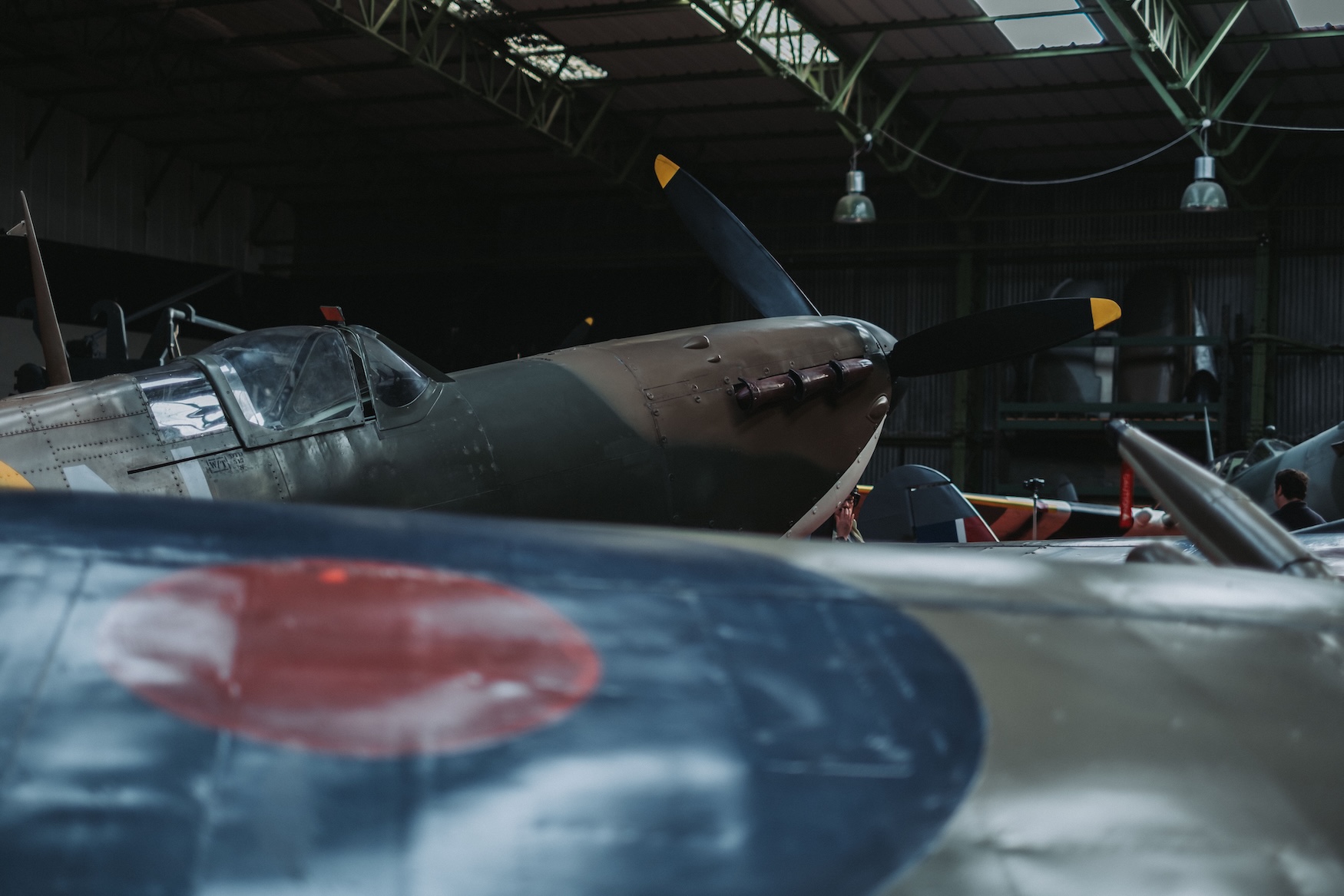
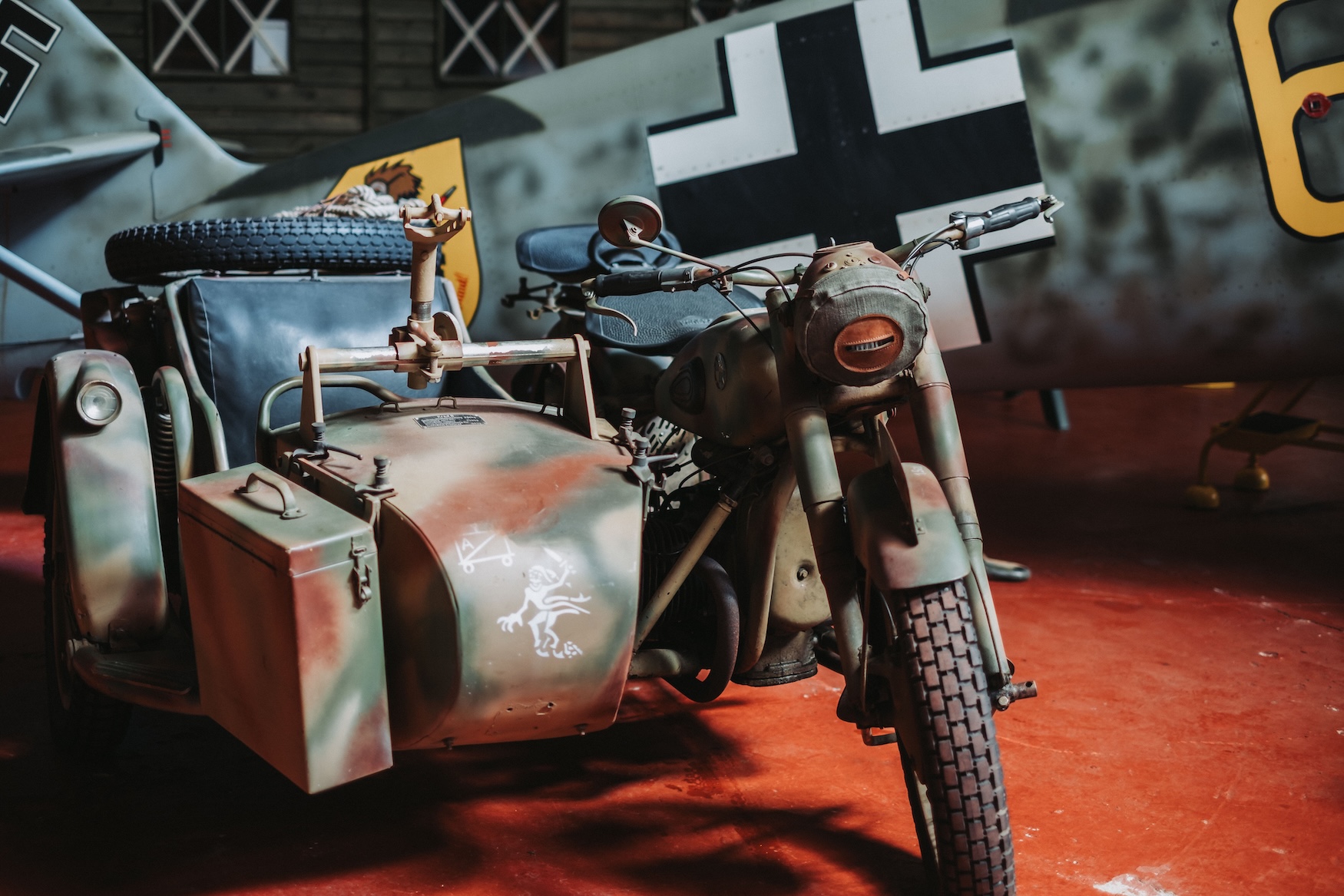
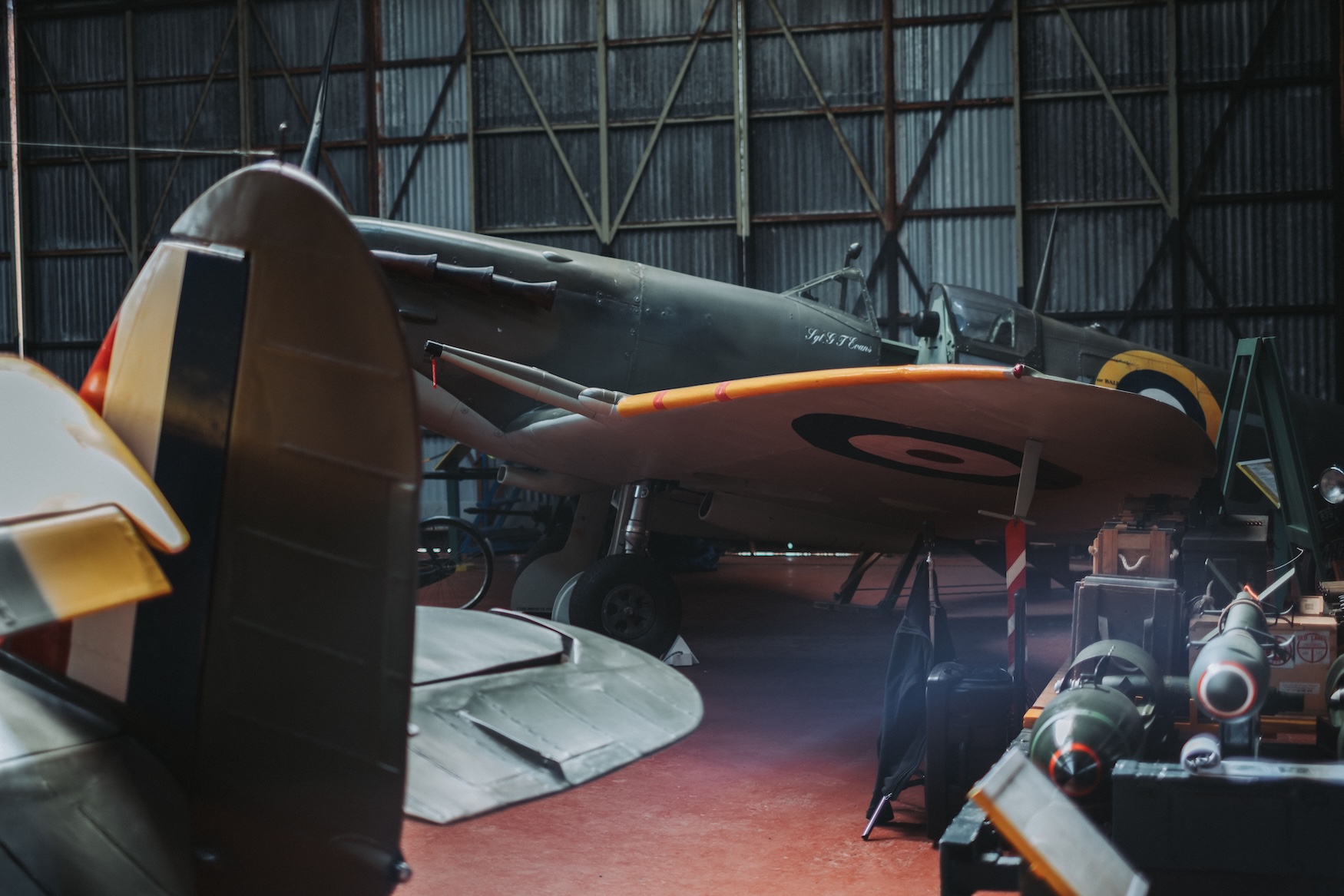
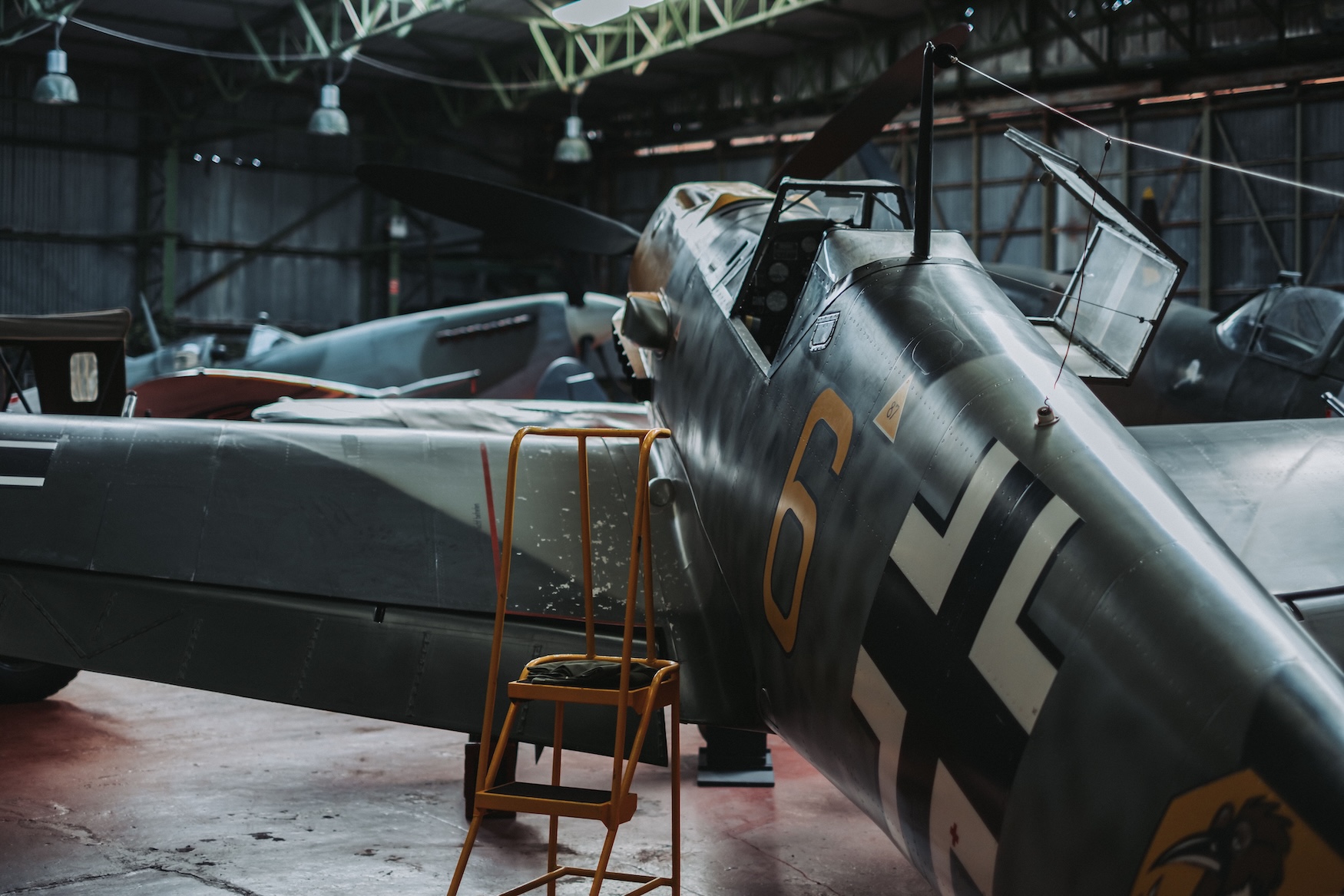
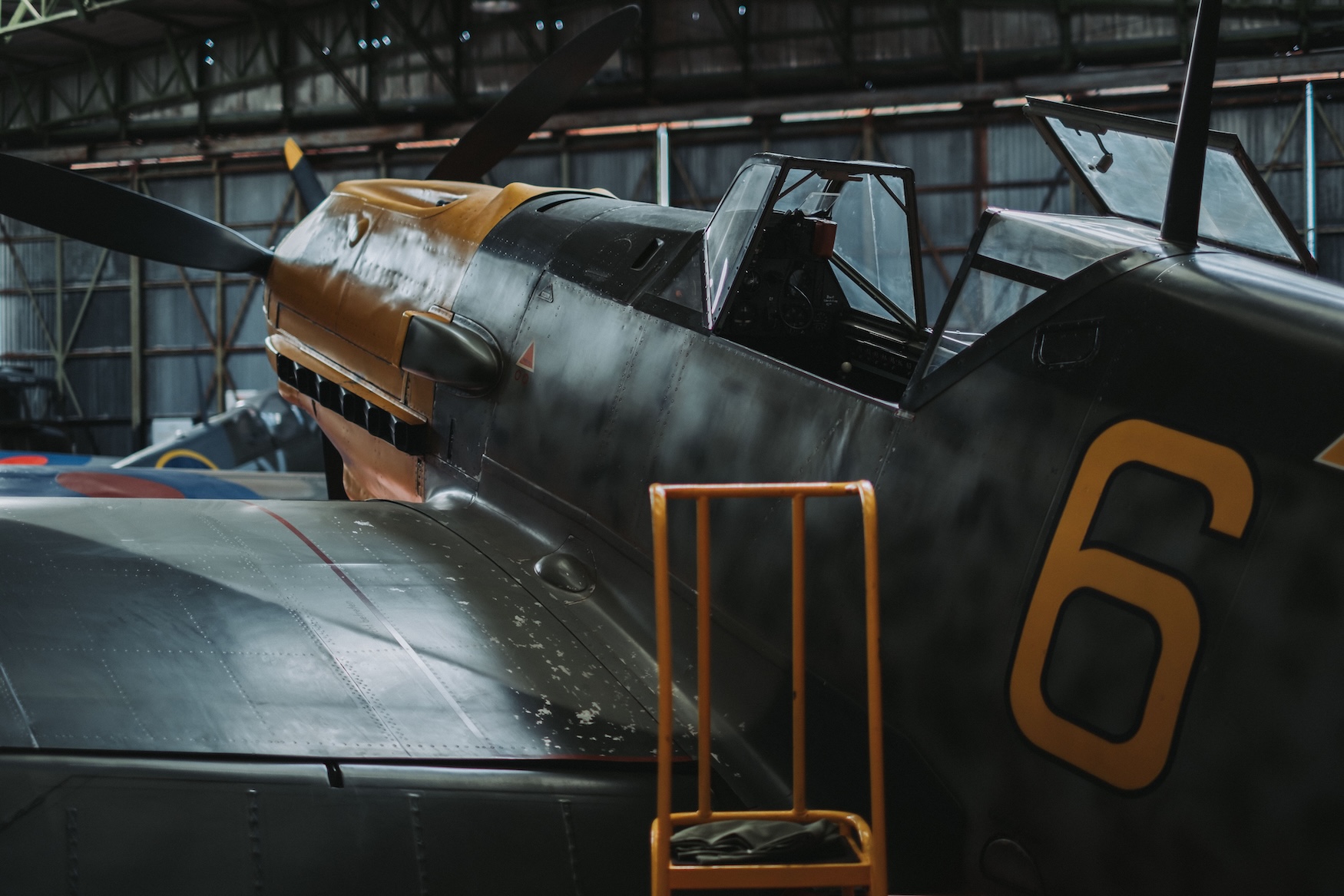
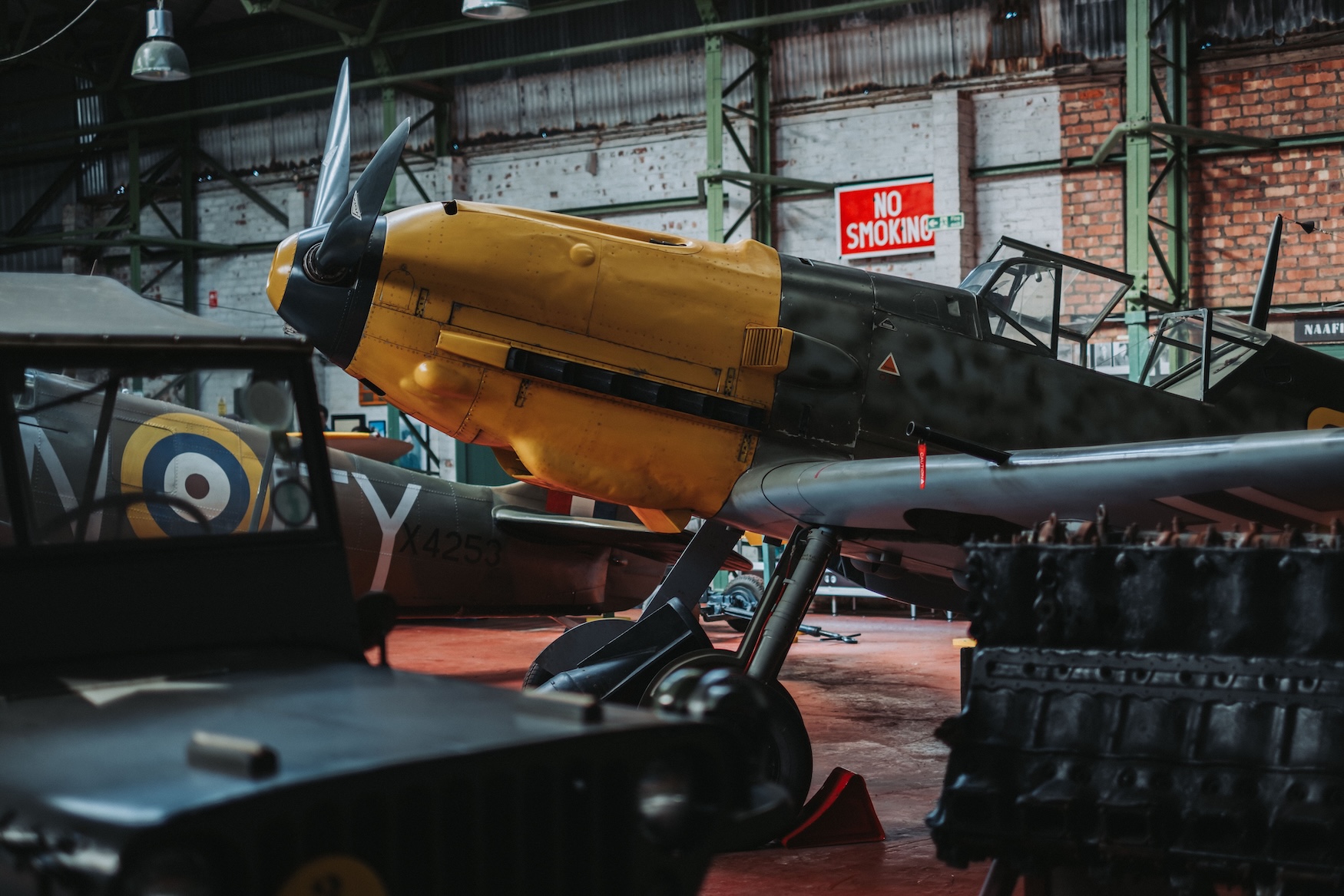
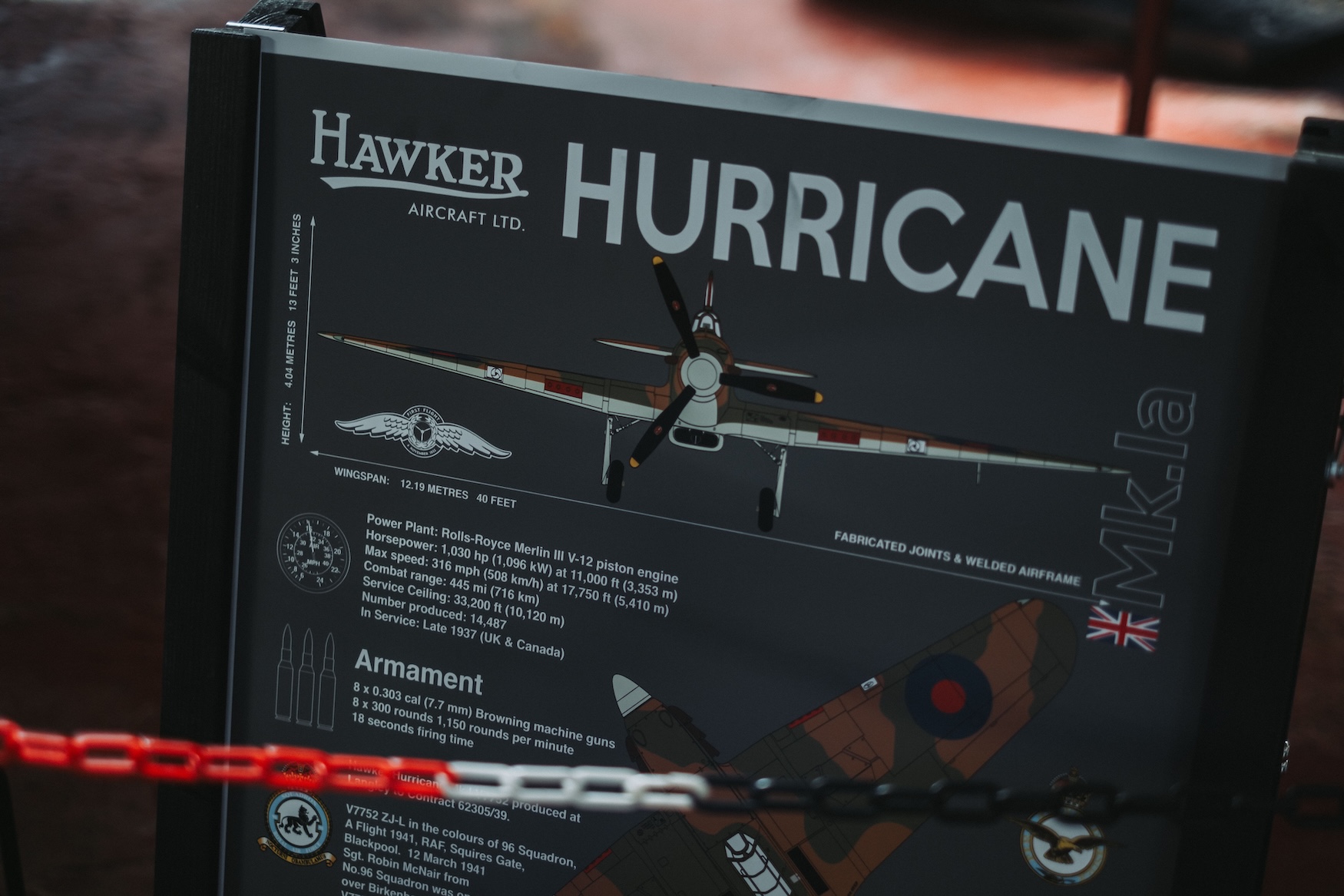
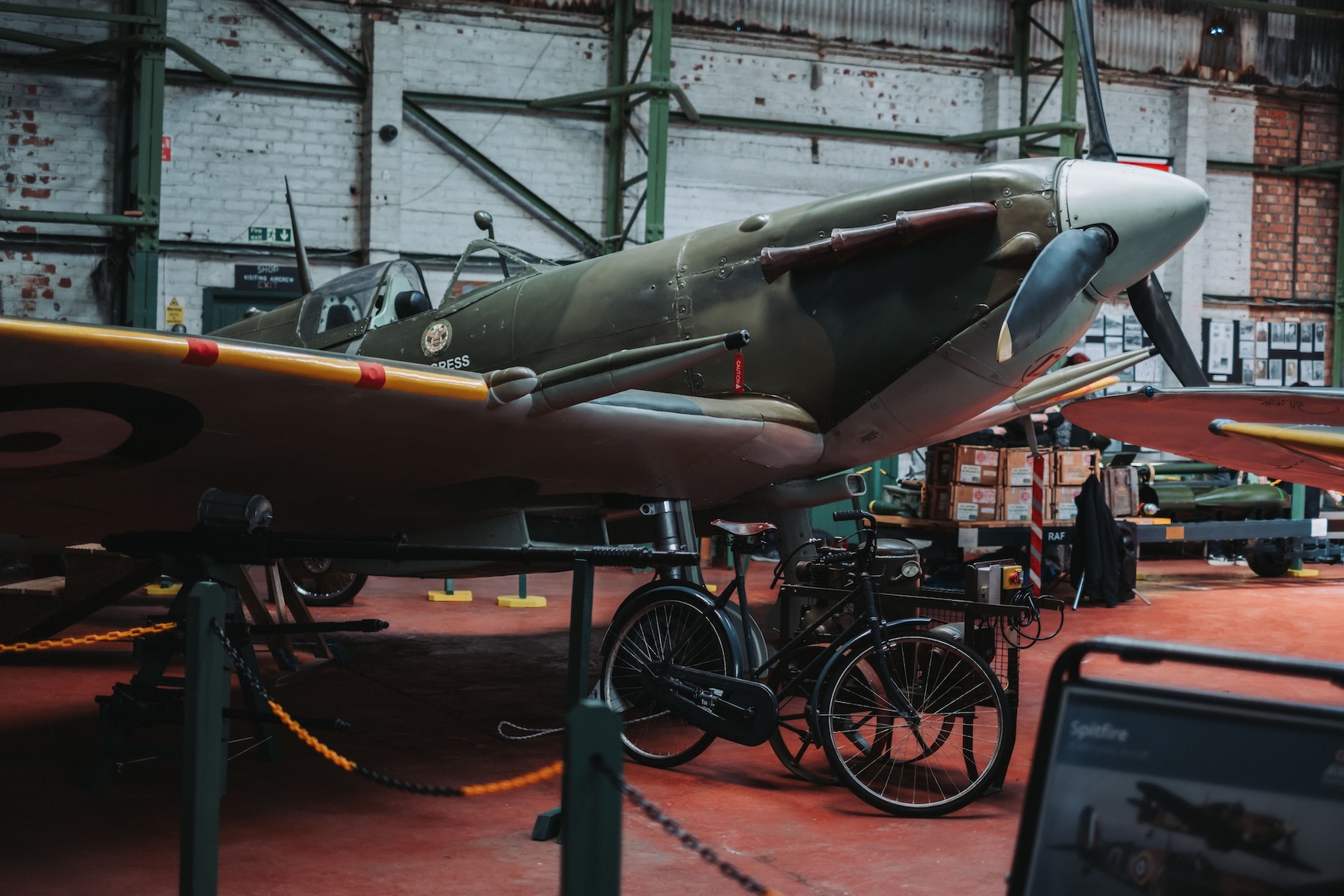
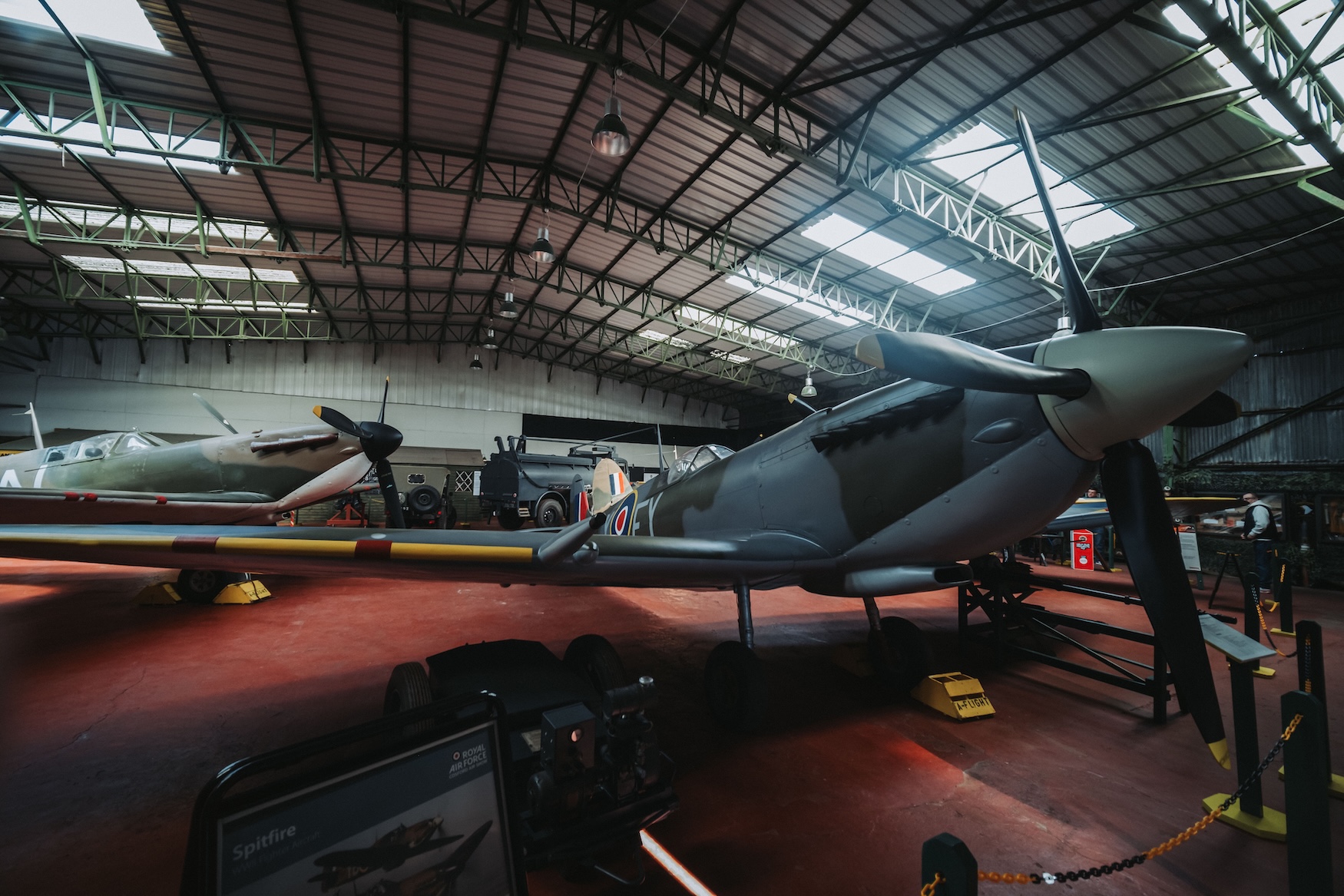
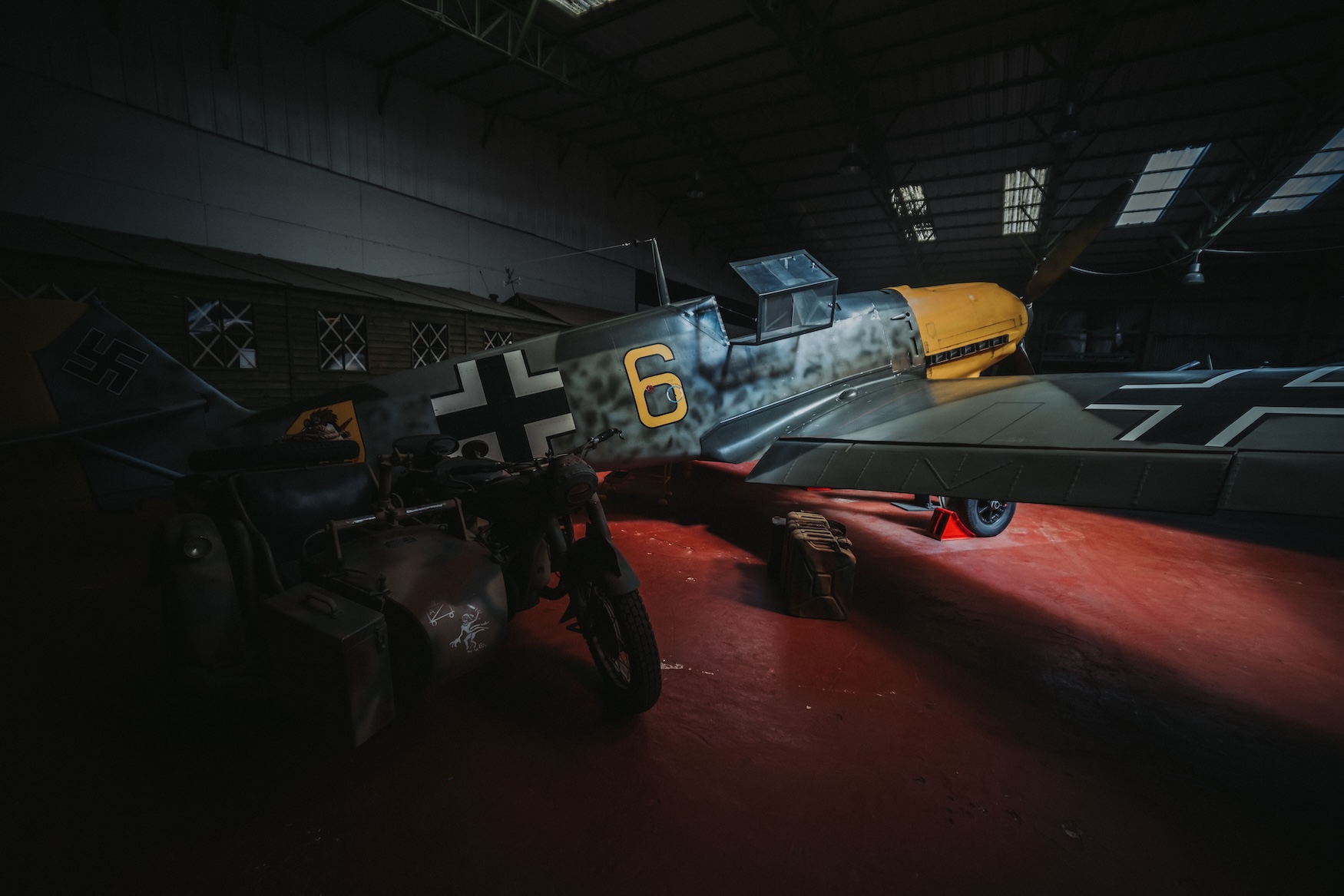
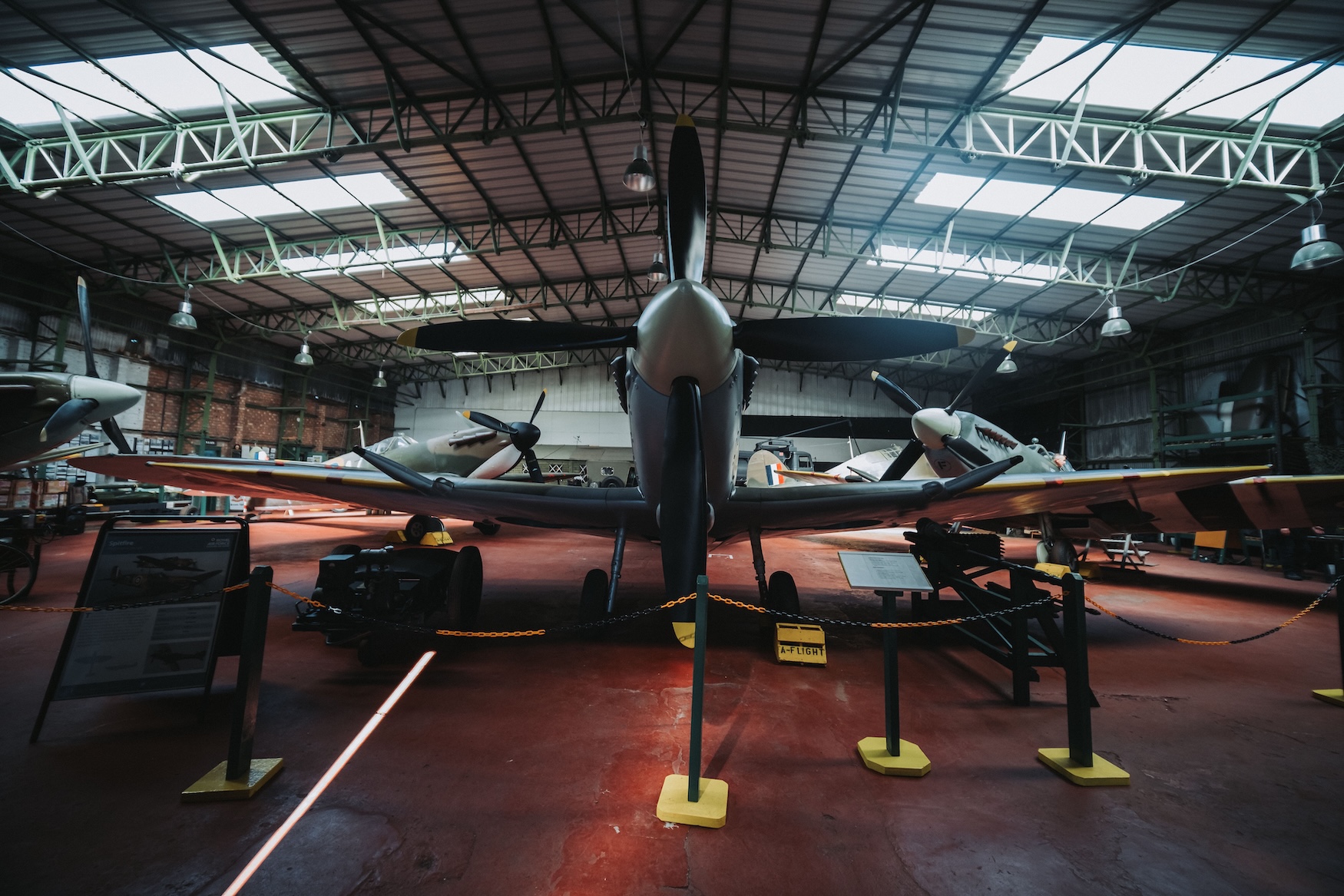
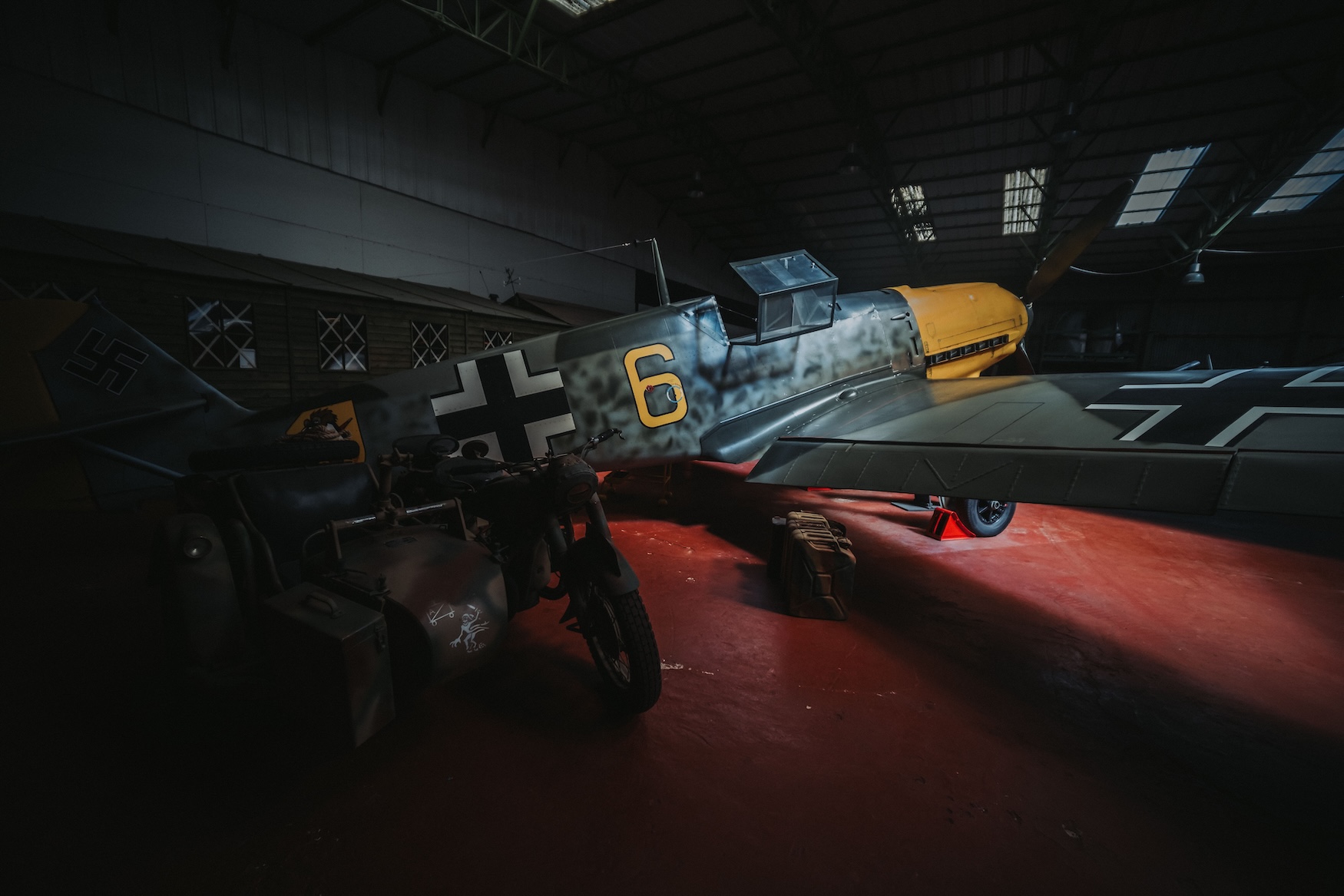
From the moment we stepped inside, the scale of the collection immediately stood out. Members were genuinely taken aback by the number of aircraft and exhibits on display, particularly the range of Spitfires covering multiple marks from the Mk II through to the Mk IX. Alongside these sat other iconic aircraft including the Hawker Hurricane and the Messerschmitt Bf 109E, offering a broader perspective of the era.
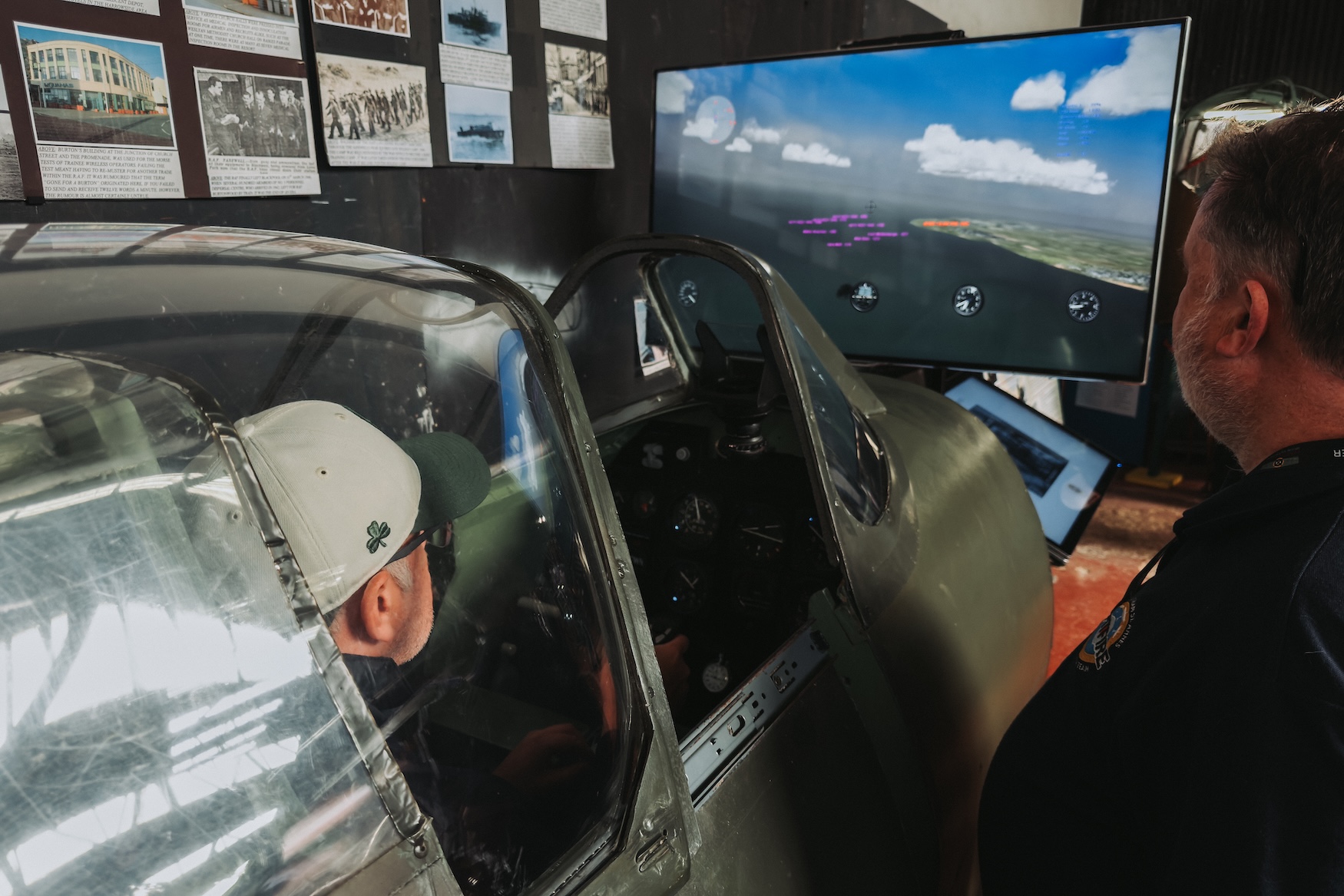
What became clear very quickly was just how much there was to take in. Over the course of around three hours, members explored the hangar at their own pace, with the group naturally splitting off to look more closely at areas of personal interest. Some took part in the VR bombing run experience over Berlin, others tested their skills on the fighter simulator, where Branch President Damon managed to record two confirmed “kills”. Others perhaps didn’t fare quite as well, with Rob demonstrating what can only be described as total commitment by flying straight into an enemy aircraft.
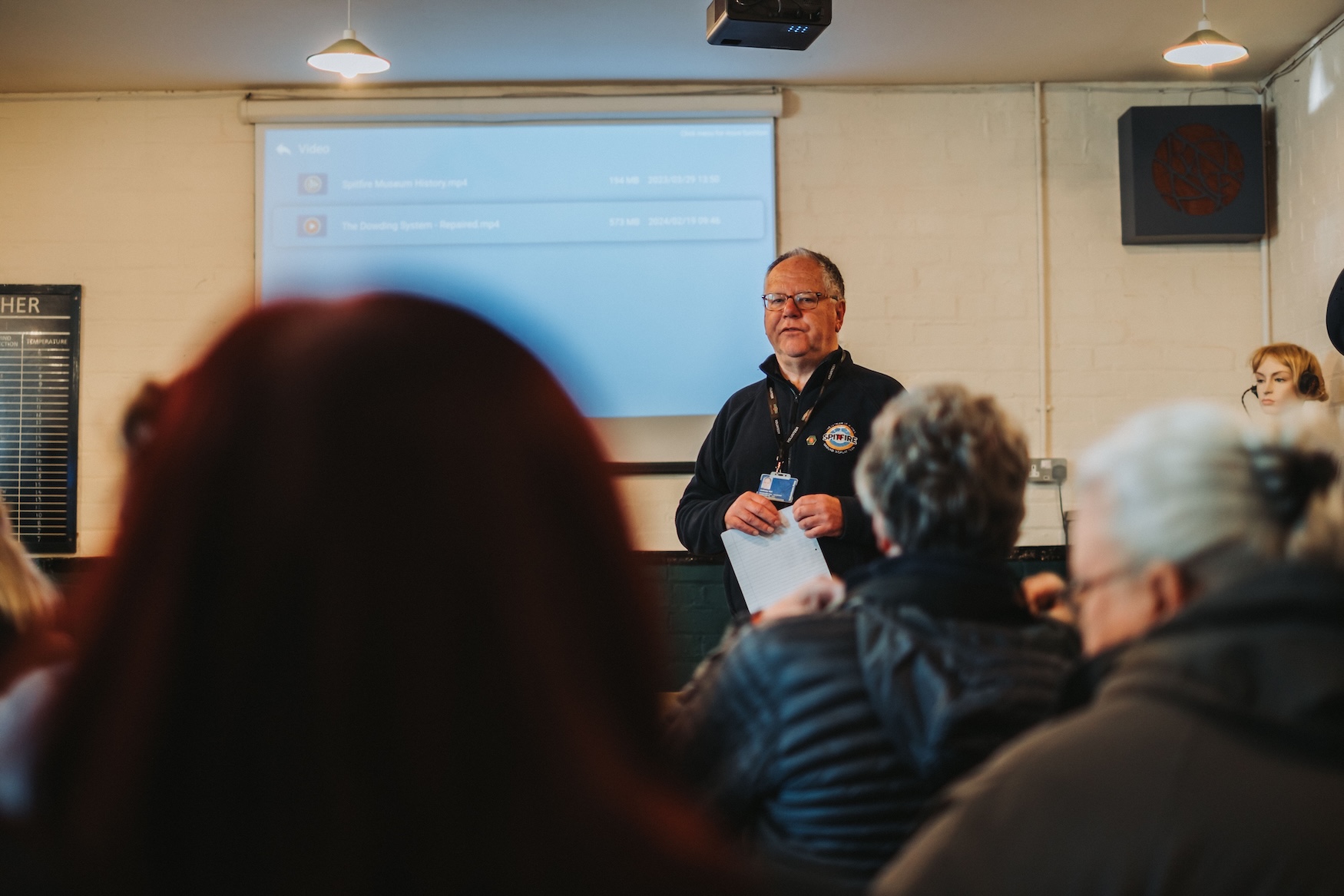
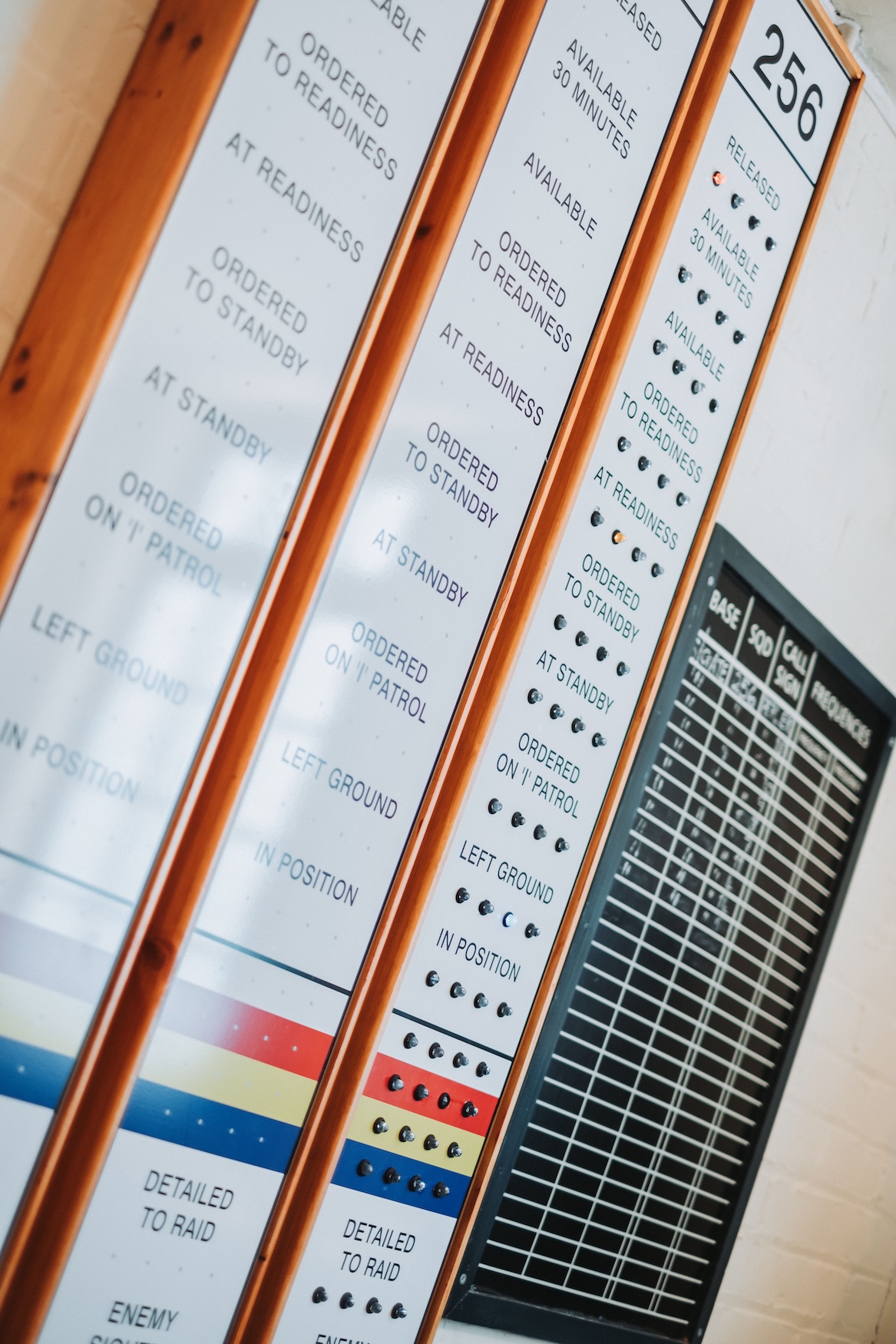
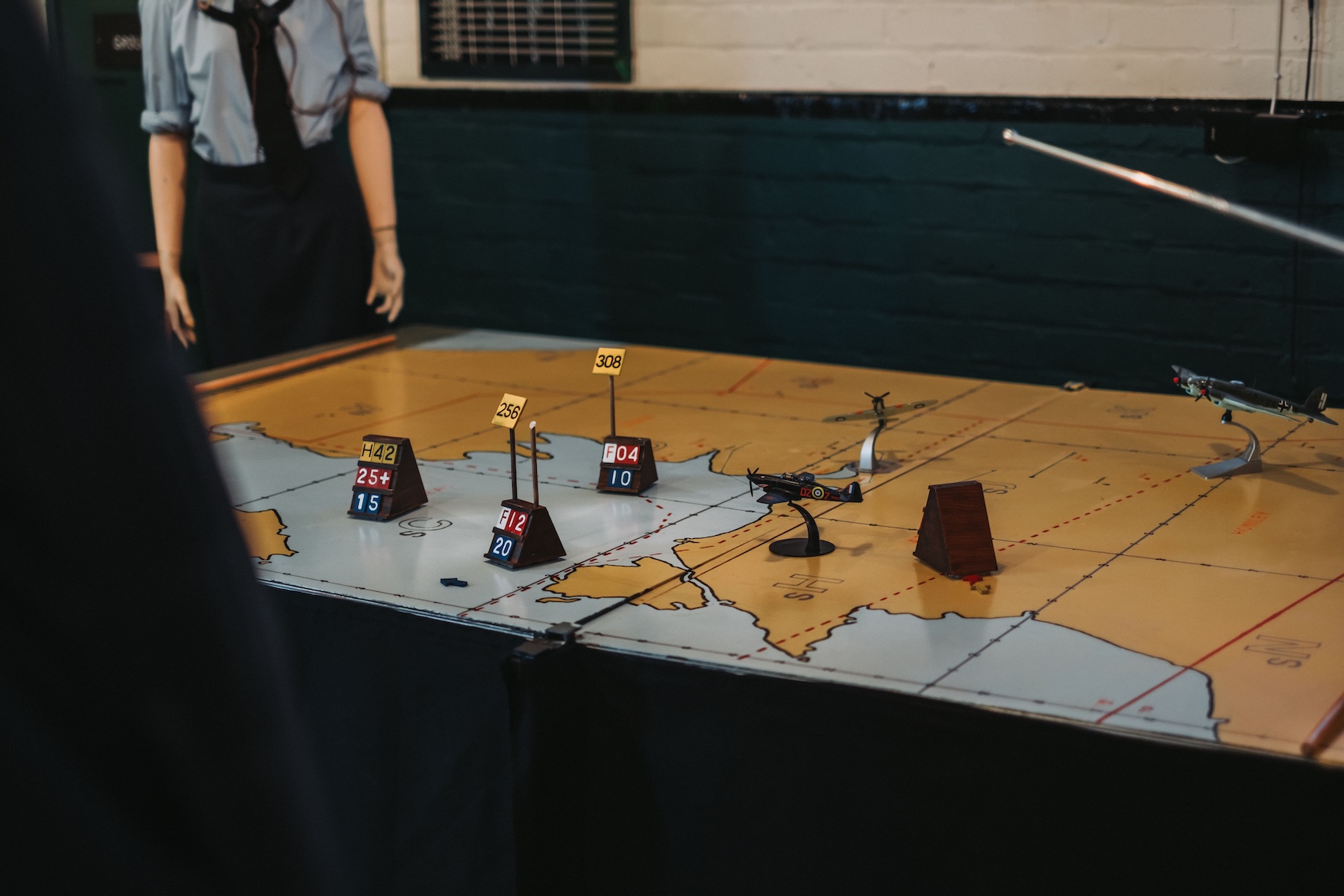
One of the highlights of the visit was a talk delivered by Tony, one of the centre’s knowledgeable volunteers. Over the course of around 40 minutes, we were given an informal but incredibly insightful overview of the Dowding System, supported by a short film using original wartime footage.
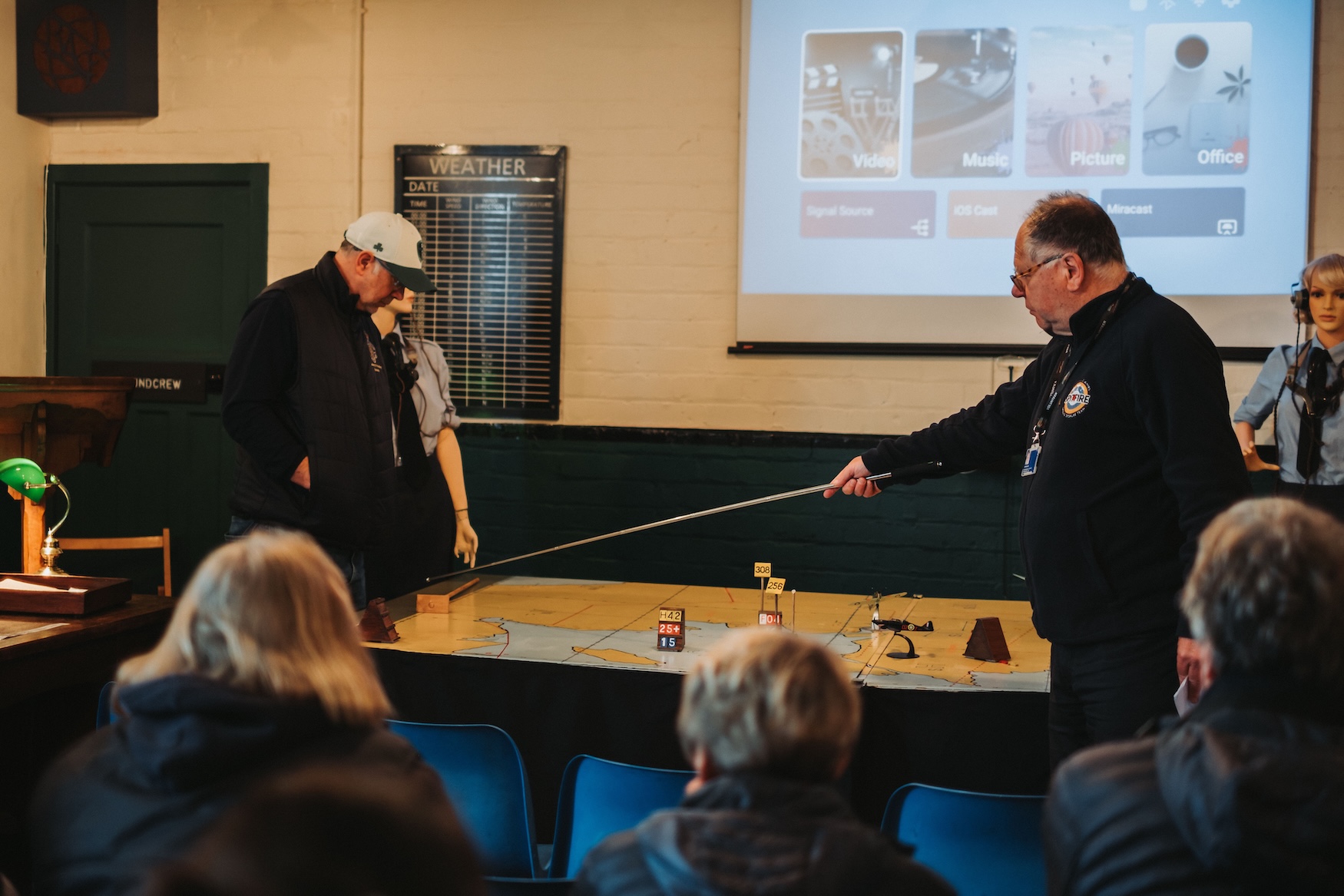
For those unfamiliar, the Dowding System was a pioneering command and control network developed during the Battle of Britain. It brought together early radar stations, the Royal Observer Corps, and centralised operations rooms to track incoming enemy aircraft and coordinate fighter responses in real time. Using large plotting tables, operators were able to map the movement of German formations and direct RAF fighters with remarkable accuracy. It was a system built on coordination, communication and speed, and it played a critical role in Britain’s defence.
What stood out most during the talk was the ingenuity behind it all. Under immense pressure, Britain developed systems and technologies that were not only innovative but decisive. It gave real context to what we were seeing around us in the hangar. At the end of the session, our Branch President Damon even got involved, asking further questions and helping to draw out even more detail from the discussion.
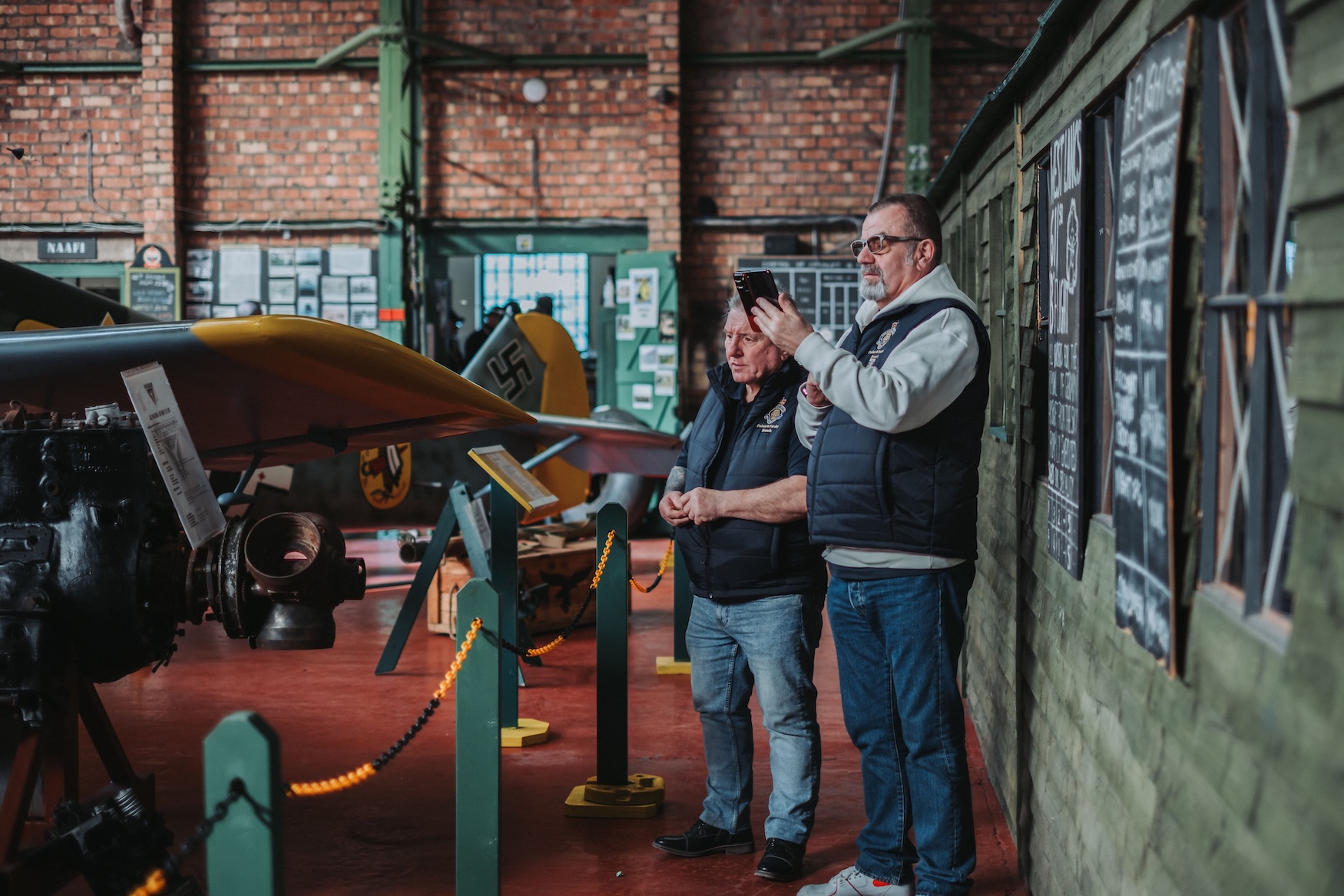
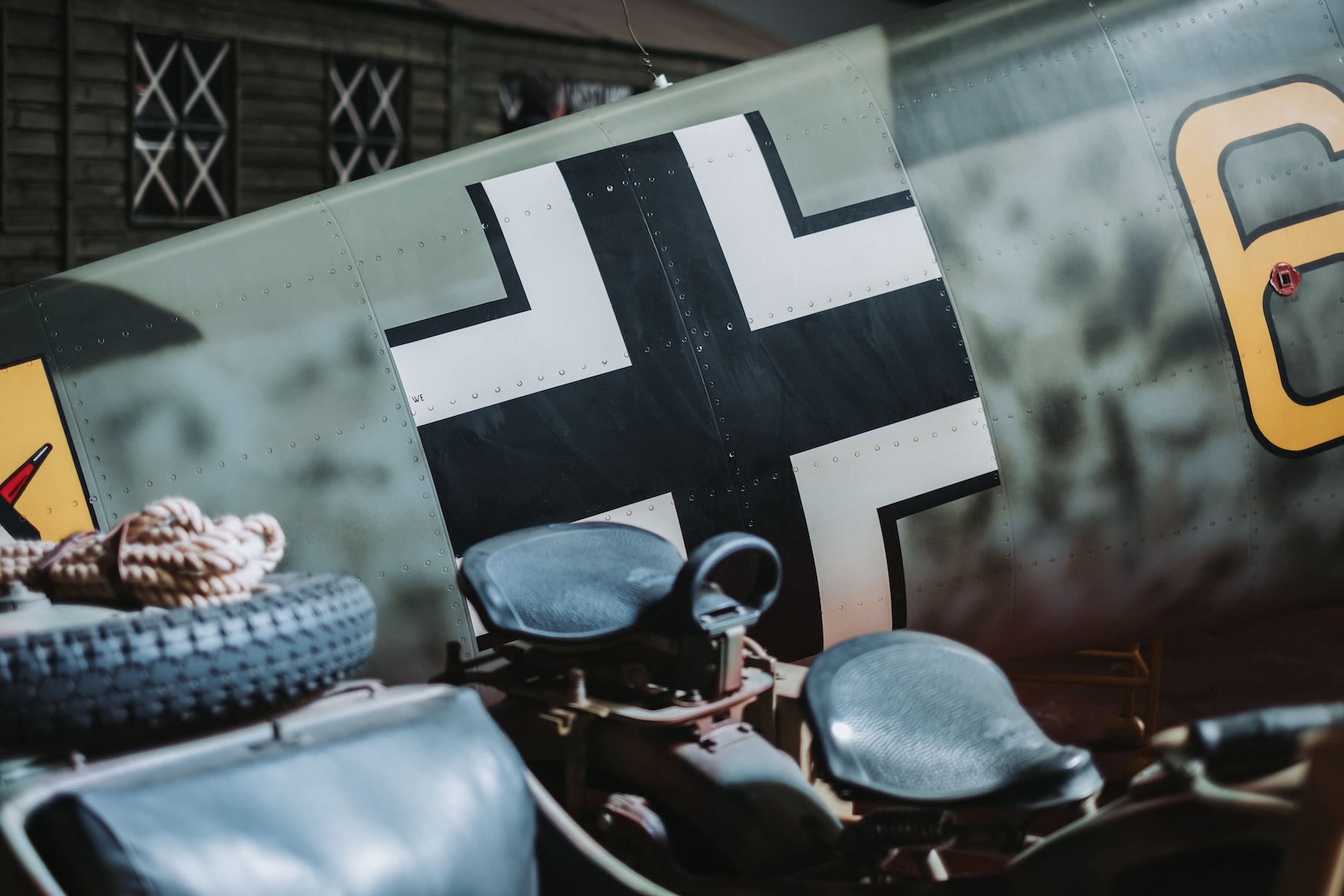
Elsewhere in the centre, members were particularly interested in learning more about aircraft engineering. A particularly interesting moment for a few members was hearing an explanation of synchronisation gear. This allowed machine guns to fire through the propeller arc without striking the blades, a concept that was also used by aircraft such as the Messerschmitt Bf 109. For many of us, this was something we had never come across before and it sparked plenty of conversation.
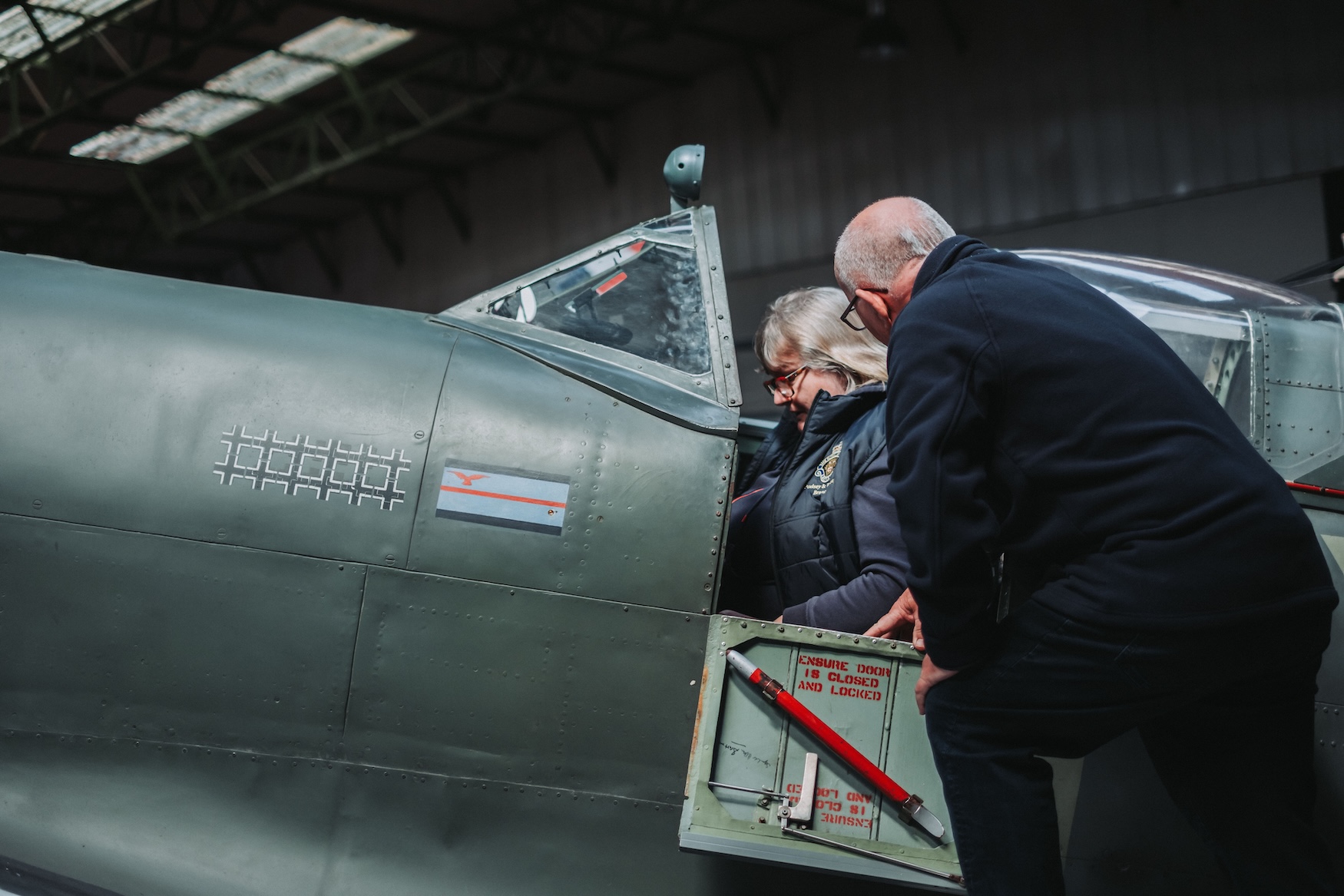
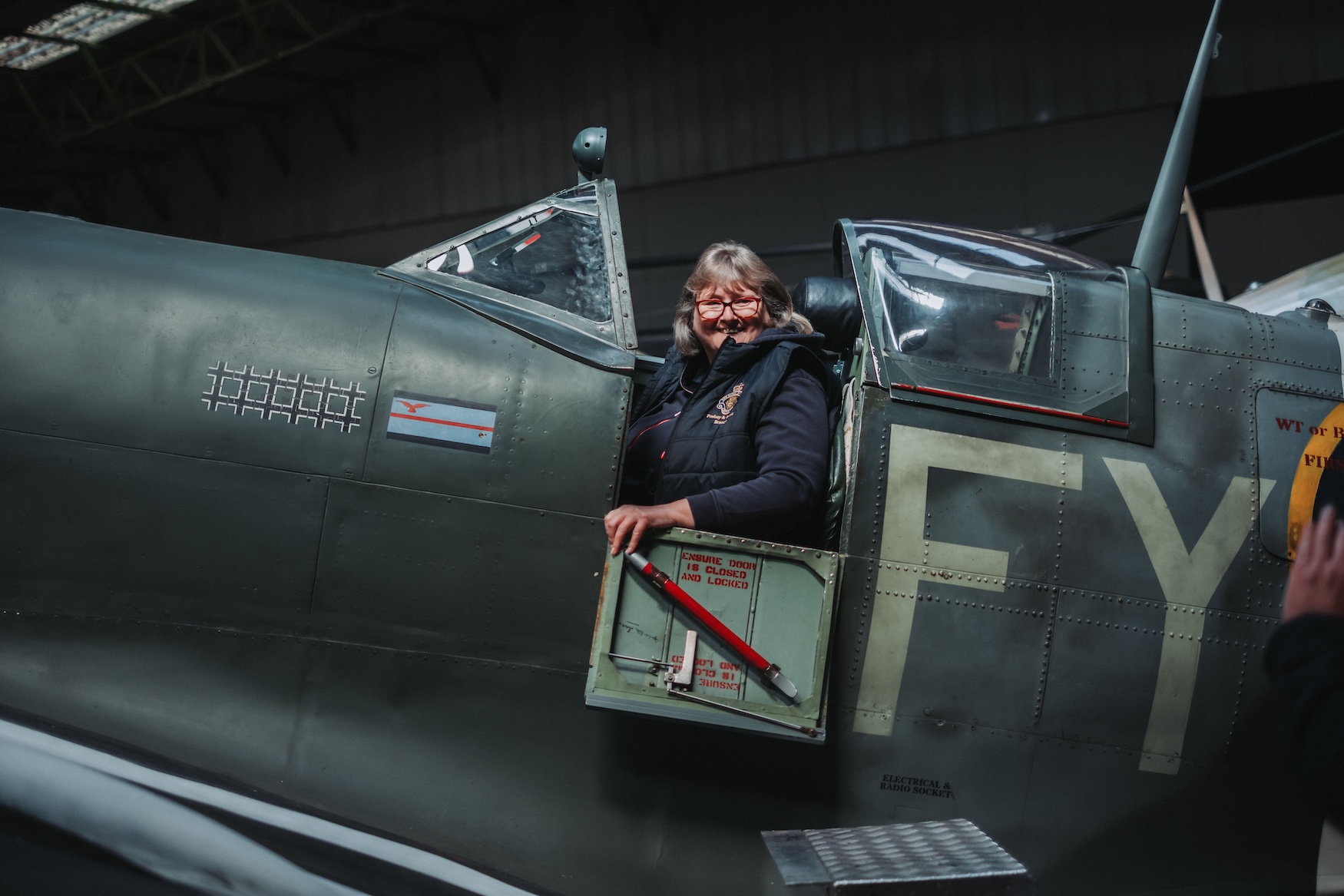
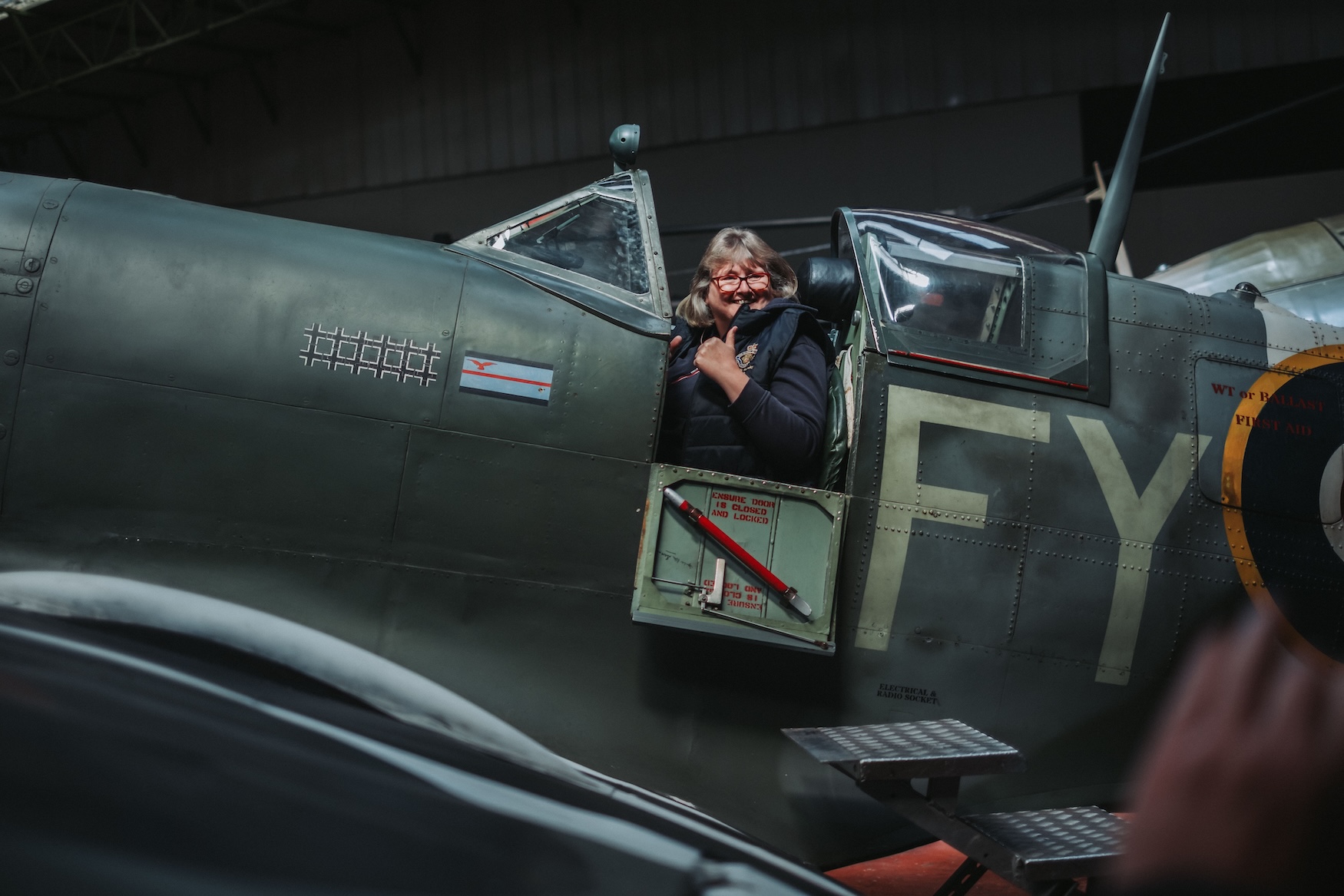
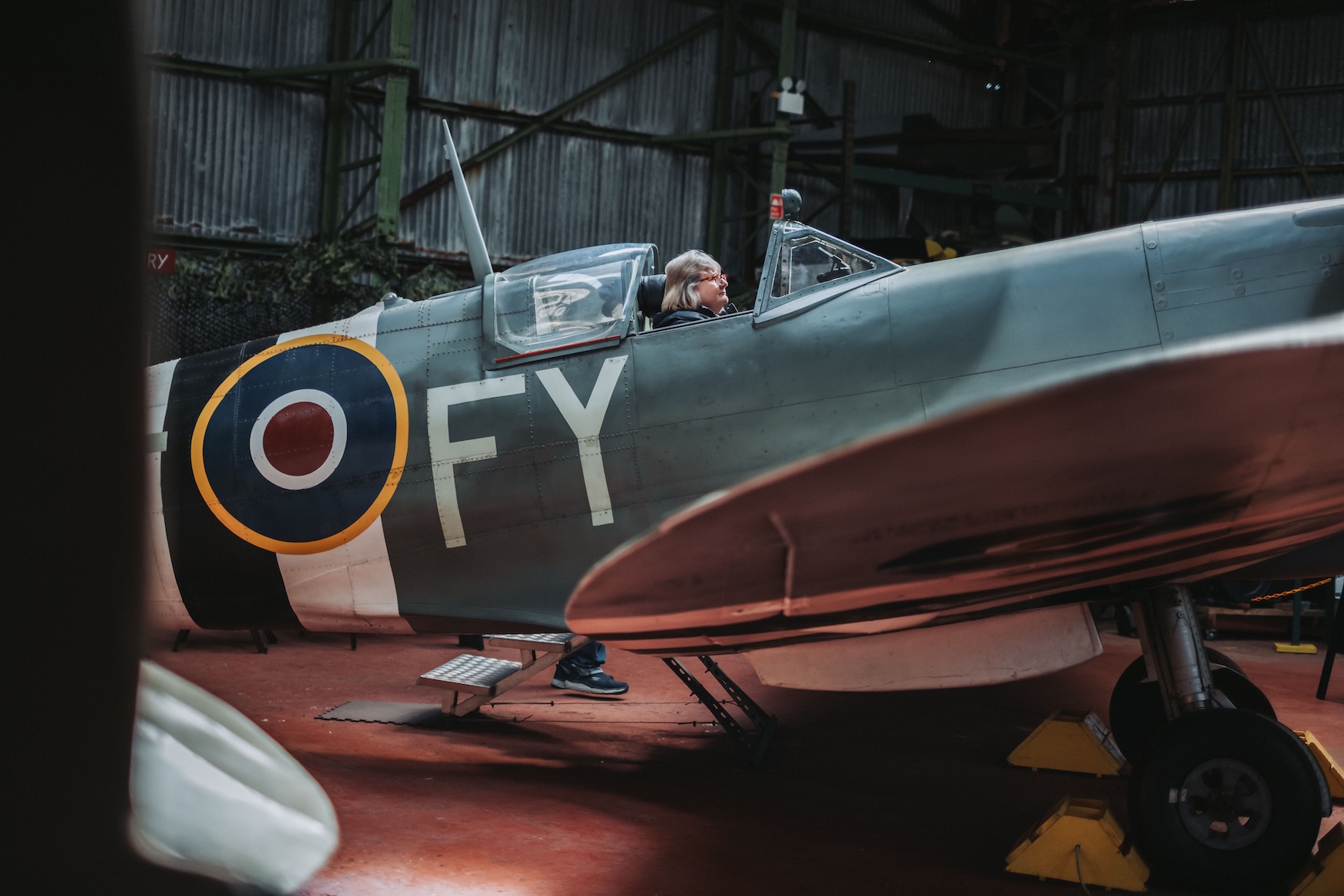
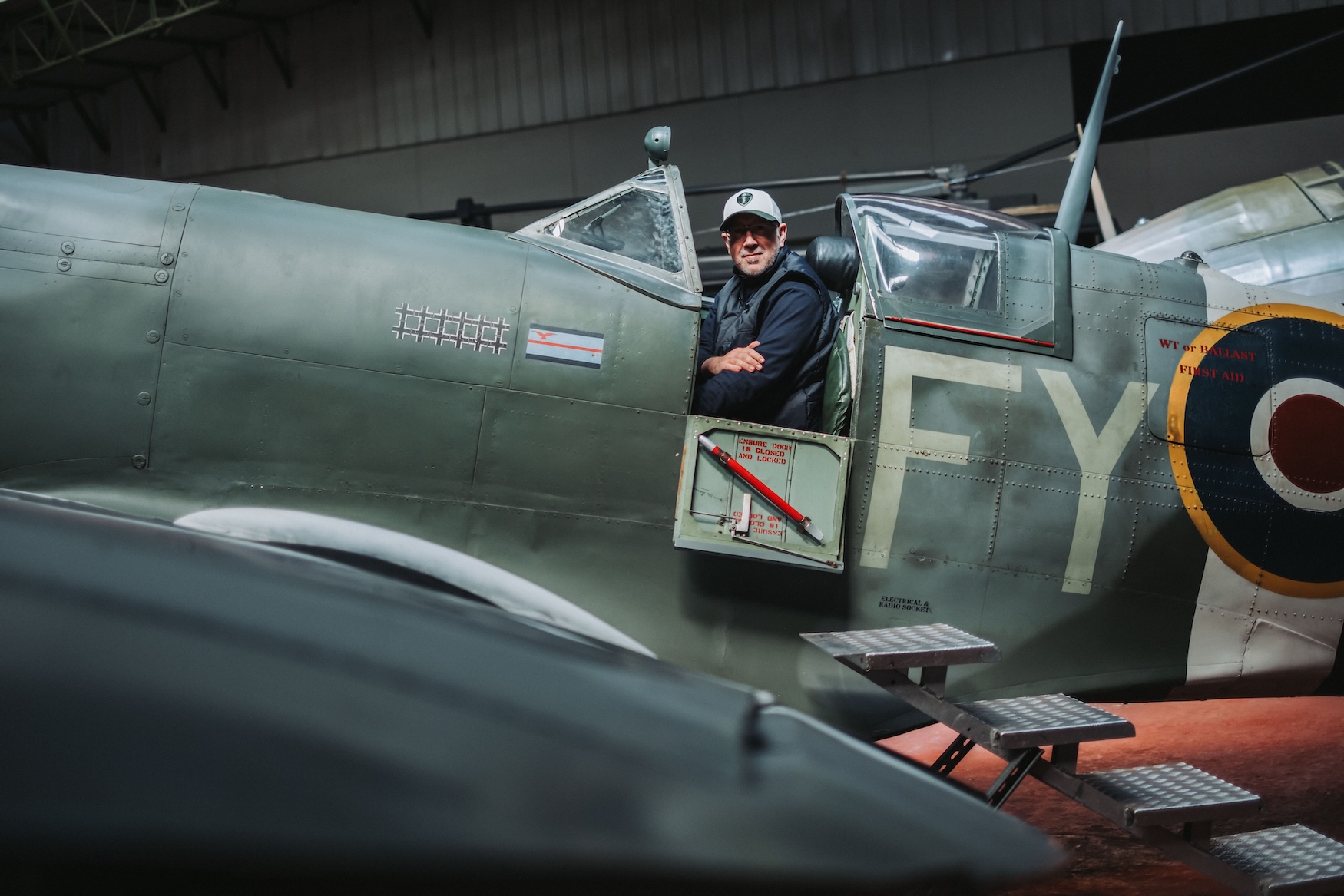
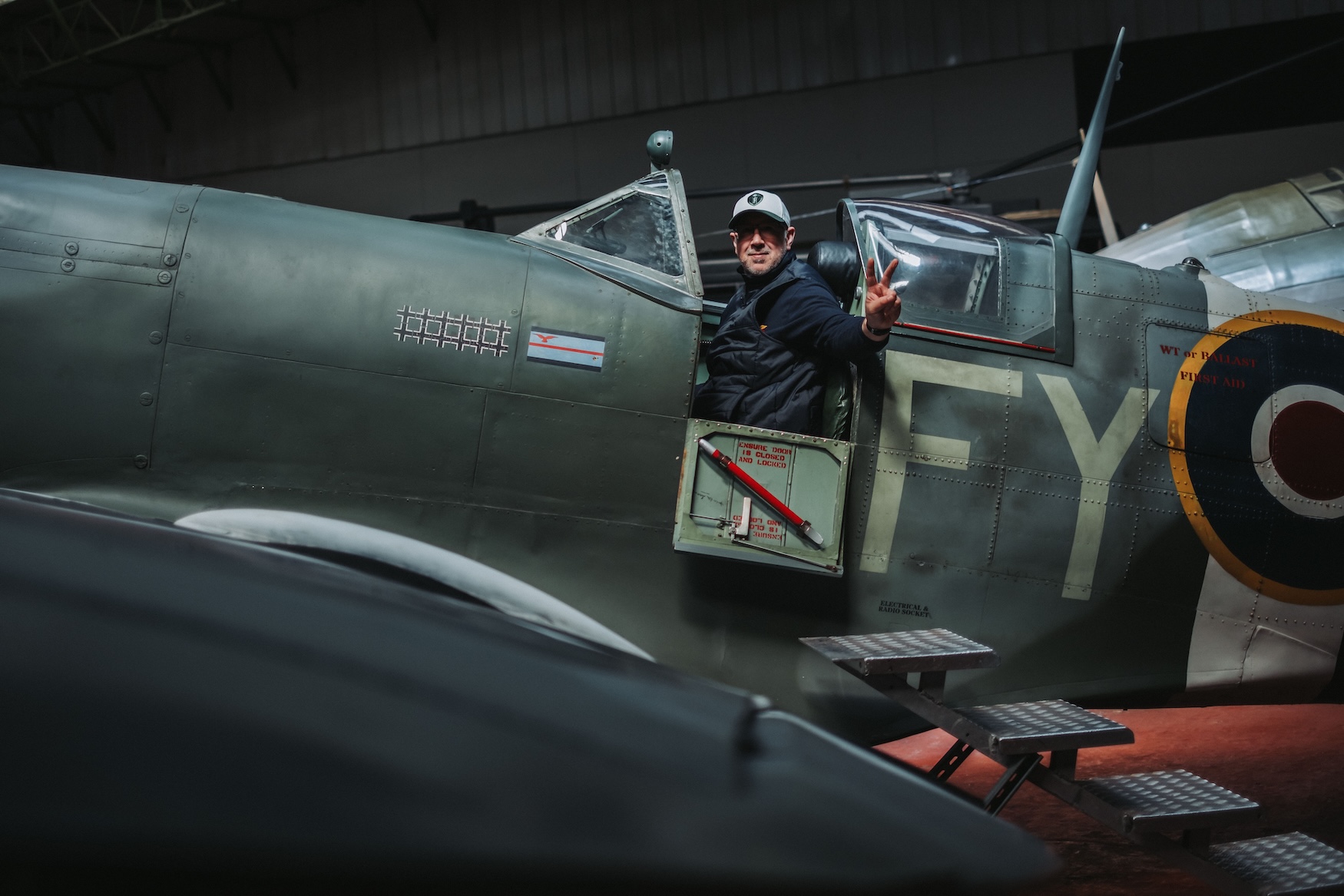
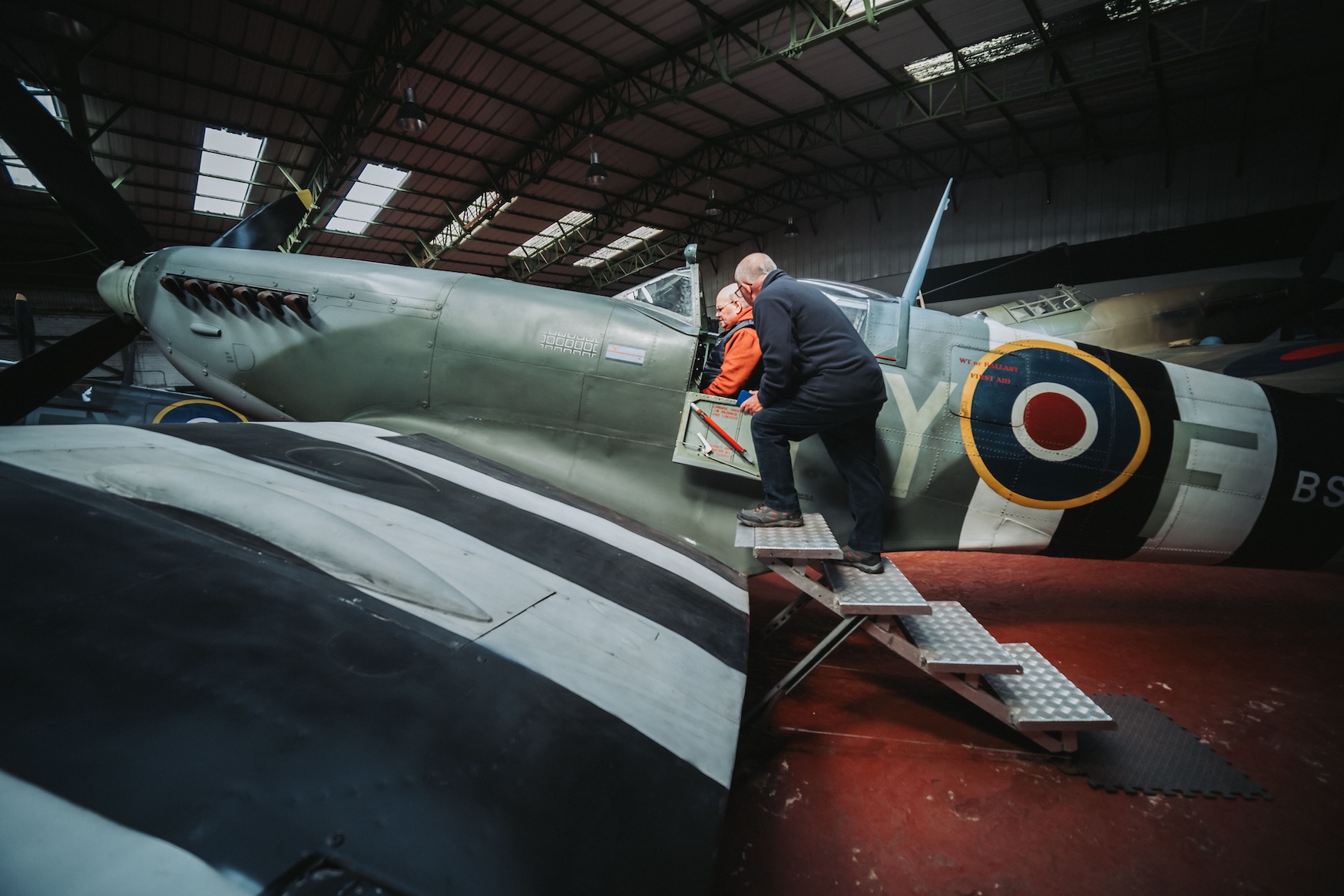
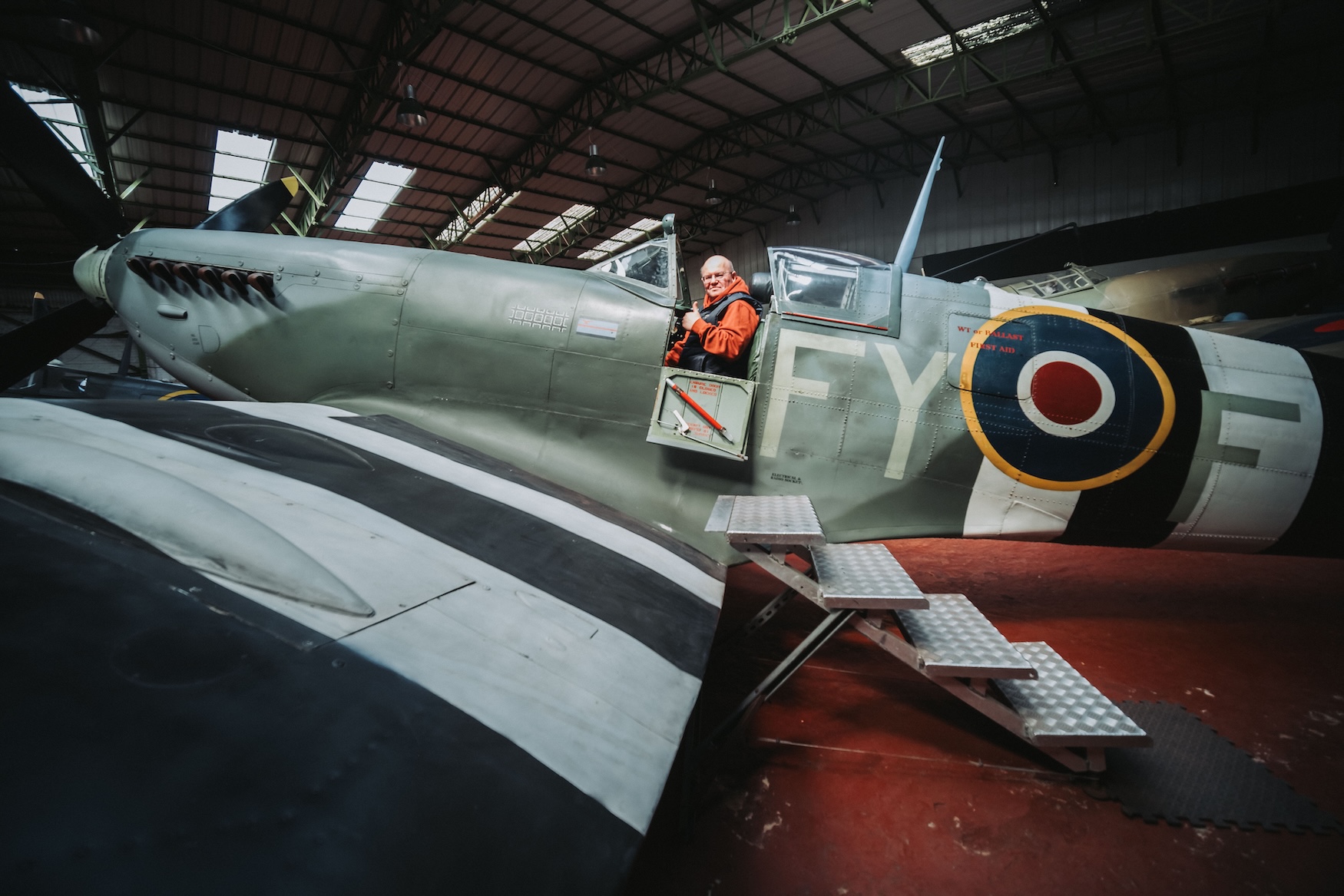
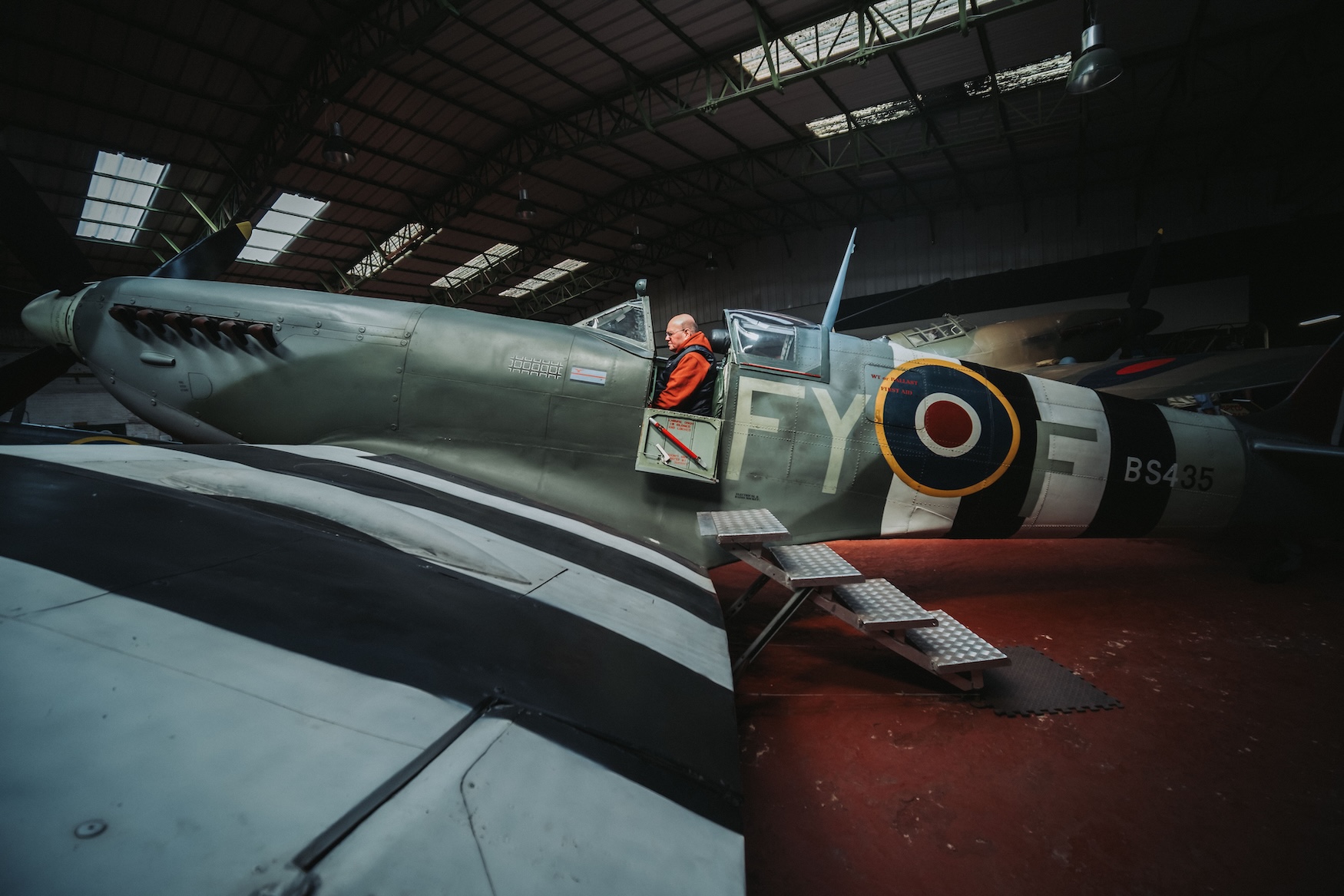
Another highlight of the visit was the opportunity to get even closer to history. For a £5 donation, visitors are able to sit inside a Spitfire Mk IX cockpit – an unforgettable experience that a number of our members were keen to take part in. It offered a rare chance to appreciate first-hand the confined space, controls and conditions faced by pilots during the war, bringing everything we had seen and learned throughout the day into sharp perspective.
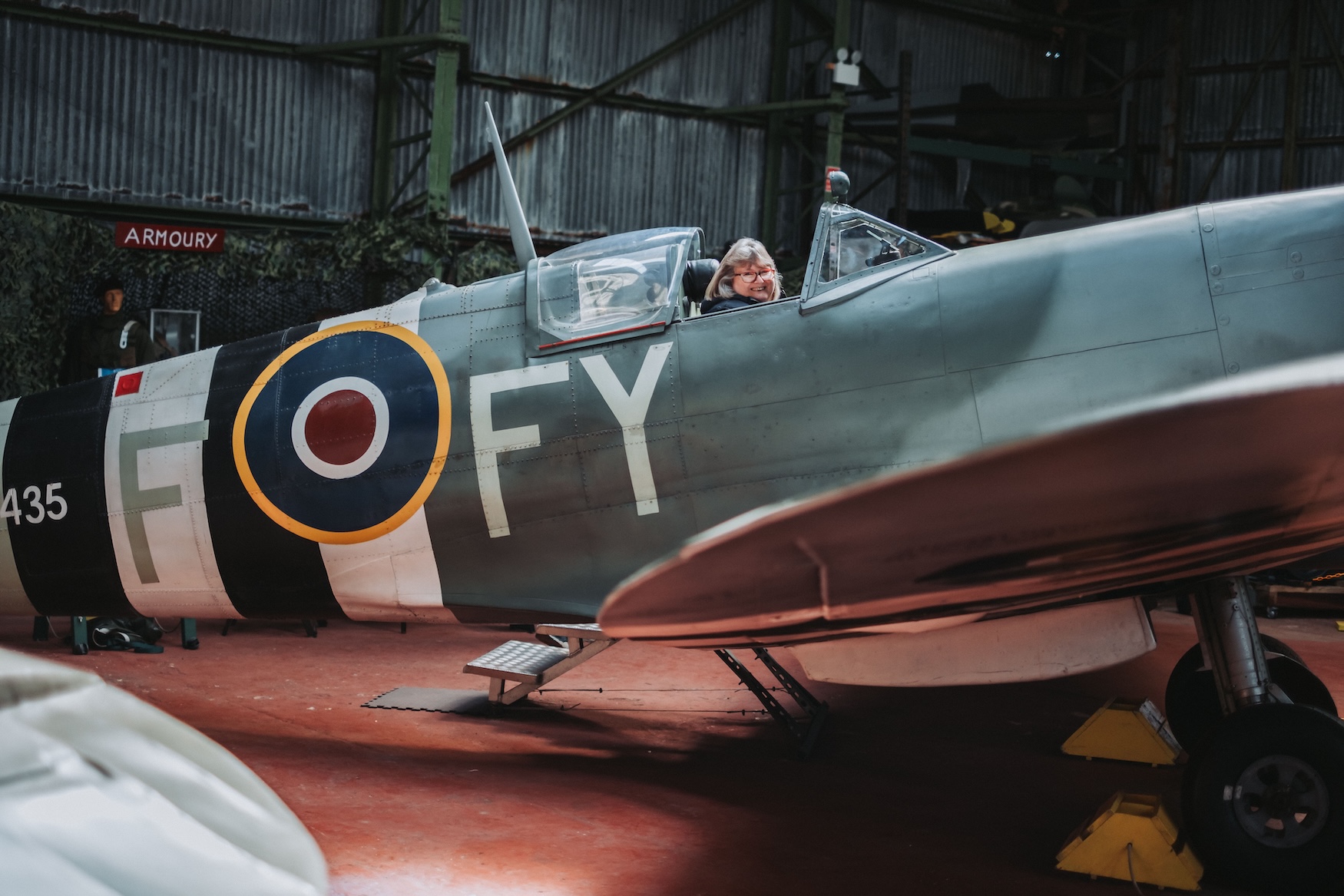
Throughout the day, there was a strong sense of shared interest. While not everyone had a direct connection to the RAF, there were plenty of conversations about family members who had served, alongside our own members sharing their experiences with those who had not. It made for a really inclusive and engaging atmosphere.
As much as we now look back at aircraft like the Spitfire and Hurricane as symbols of a remarkable period in aviation history, the visit also served as a reminder of the reality behind them. These machines were built and flown in a time when many were preparing to put their lives on the line in defence of the country and its freedoms.
The centre itself is run as a charity and supported by a dedicated team of volunteers. It is clear from the quality of the exhibits and the depth of knowledge on display that a huge amount of time and effort goes into keeping it running. There are ambitions to expand further in the future, and it is a place well worth supporting.
By the end of the visit, several members were already talking about a return trip, particularly with the aim of seeing the Spitfire flights that operate from Blackpool Airport. While the opportunity to fly in one may be out of reach for most, simply seeing them take off and land would be a fantastic experience in itself.
Overall, it was an excellent day out for the branch. Informative, engaging, and something a little different that brought members together around a shared interest and appreciation of history.
If you have even a passing interest in aviation or history, a visit to Hangar 42 Spitfire Visitor Centre is well worth your time. As a volunteer-run charity, it relies on public support to continue its work and future expansion. To find out more, plan your visit or support the centre, head over to Spitfire Visitor Centre and explore everything they have to offer.